On-Page SEO (also called on-site SEO) refers to the process of optimizing individual web pages to improve their visibility and ranking in search engine results. It includes both the content and the HTML source code of a page — everything you can control directly on your website.
Search engines are no longer just “search engines.”They are becoming answer engines powered by Artificial Intelligence (AI). Today, users don’t always click websites. Instead, they get answers directly on Google,…
Internal linking is one of the most underrated yet powerful strategies in SEO. When used correctly, it can boost rankings, distribute link equity, improve user experience, and guide visitors through…
Keyword Density refers to the percentage of times a keyword appears in a piece of content compared to the total number of words. ➡ In simple words:It’s a measure of…
If you're putting effort into writing content but still not getting organic traffic, chances are your content is not optimized for SEO. Writing a great article isn’t enough you need…
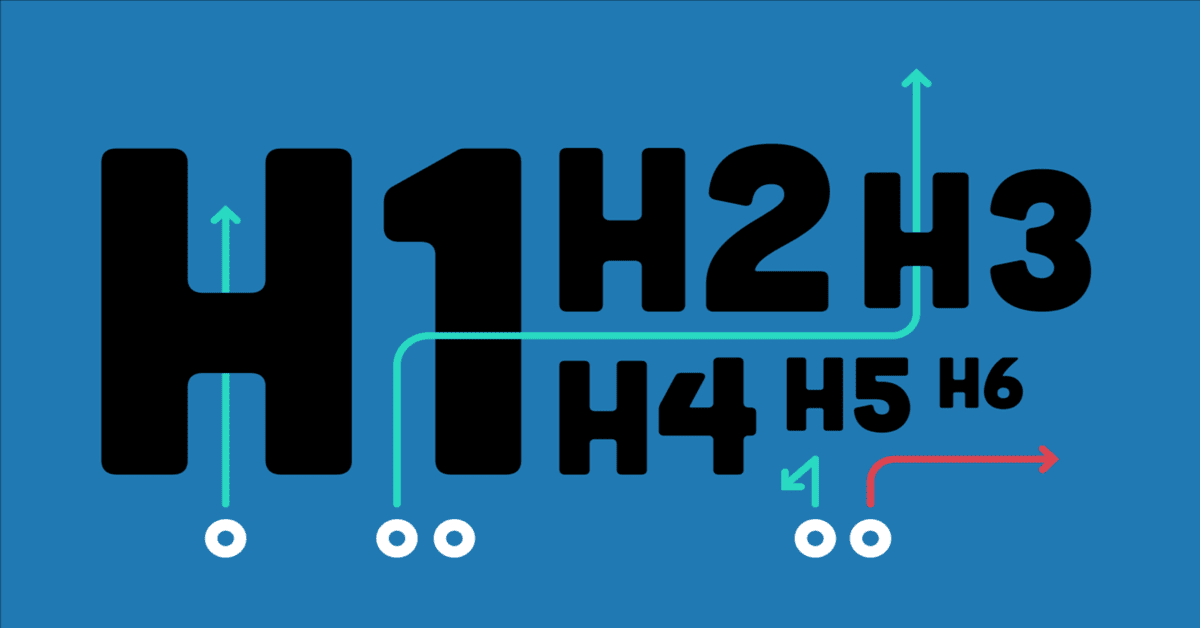
Header tags (H1 to H6) are HTML elements used to define headings and subheadings on a webpage. They help organize content for users and tell search engines what each section…
Meta descriptions are short summaries that appear below the title tag in search engine results. While they don’t directly influence Google rankings, they strongly affect click-through rate (CTR) — which…
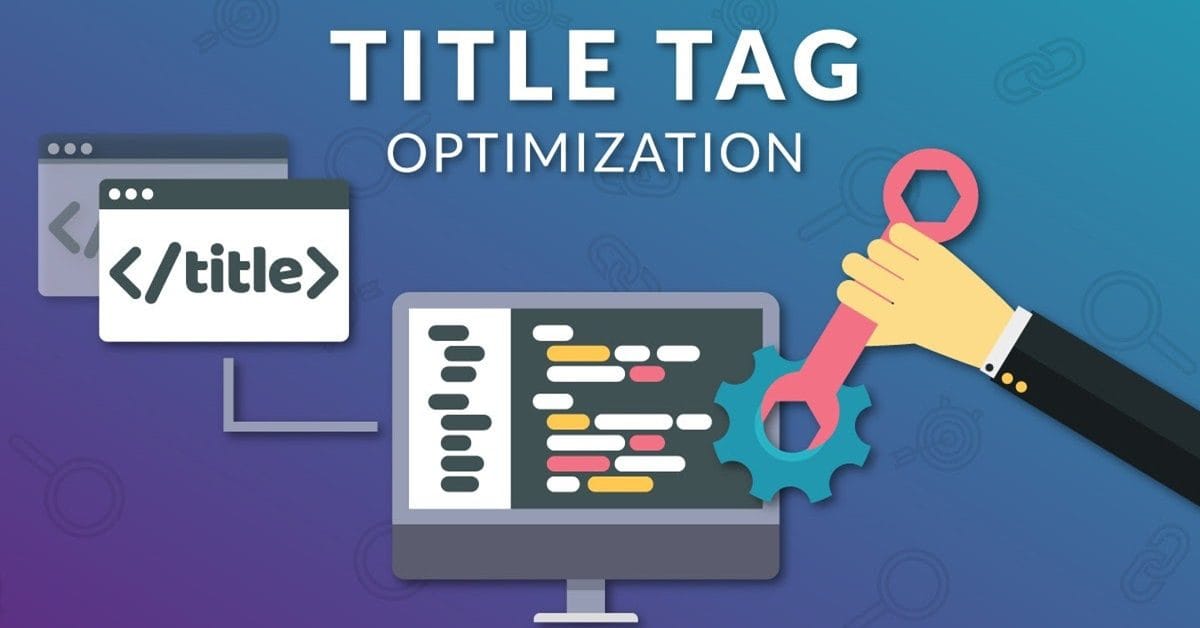
Title tags are one of the most important on-page SEO elements. They directly influence how your page appears in Google search results and whether users click on it. In this…

On Page SEO Mistakes
Even the best websites can fail to rank if they ignore the fundamentals of on-page SEO. While content is king, poor optimization can prevent your pages from reaching their full…
🧭 What is On-Page SEO? On-Page SEO refers to all the optimization efforts you apply directly on your website to improve search engine rankings and user experience. It involves optimizing…